
Foundations of Physical Therapy Practice

The Guide to Physical Therapist Practice outlines core principles, evidence‑based patterns, and professional standards for clinicians․ It details scope, roles, and ethical conduct, serving as a foundational resource for education and practice It supports clinicians in evidence‑based decision making patient care․
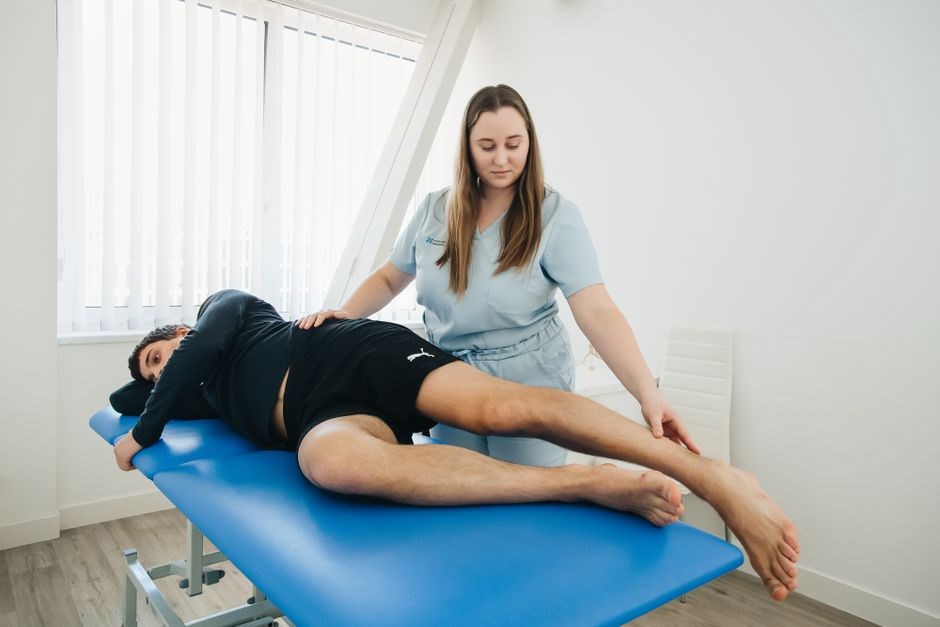
Patient Assessment and Management
The Guide emphasizes systematic history taking, physical examination, and functional assessment to inform individualized care plans․ It promotes use of validated outcome measures, interdisciplinary collaboration, and evidence‑based decision making for optimal patient management․ It supports patientcentered care
History Taking and Physical Examination
The Guide to Physical Therapist Practice underscores a structured approach to history taking, beginning with the patient’s chief complaint and progressing through a comprehensive review of systems․ Clinicians are encouraged to document onset, location, quality, and aggravating or relieving factors, along with functional limitations and psychosocial context․ The physical examination follows, integrating inspection, palpation, range‑of‑motion testing, strength assessment, and special tests tailored to the presenting problem․ The Guide stresses the importance of aligning findings with evidence‑based practice patterns, documenting clinical reasoning, and updating the assessment as new information emerges․ This systematic methodology ensures accurate diagnosis, informs individualized treatment planning, and supports outcome monitoring throughout the therapeutic process․
Clinicians should also assess pain intensity using validated scales, evaluate functional status with patient‑reported outcome measures, and consider psychosocial factors such as anxiety or depression that may influence recovery․ Documentation of the clinical reasoning process, including differential diagnosis and treatment goals, is essential for continuity of care and legal compliance․ Regular re‑assessment ensures that the plan remains responsive to changes in the patient’s condition and supports evidence‑based adjustments․
Adhering to these structured protocols enhances clinical efficacy, promotes patient safety, and aligns with the APTA’s standard of care․
Functional and Outcome Measures
The Guide to Physical Therapist Practice emphasizes systematic use of functional and outcome measures to quantify progress, guide decisions, and validate efficacy․ It recommends selecting validated tools that align with the patient’s condition and goals․ Common instruments include PROMIS, Oswestry Disability Index, KOOS, and Neck Disability Index․ These measures capture pain, functional limits, and quality‑of‑life impacts, allowing clinicians to benchmark status and monitor change over time․
Objective performance tests such as the 6‑Minute Walk Test, Timed Up and Go, and the 30‑Second Chair Stand are highlighted for their ability to assess functional mobility, endurance, and lower‑extremity strength․ The Guide also advocates for the use of biomechanical assessments, including gait analysis, balance testing, and range‑of‑motion measurements, to provide a comprehensive picture of the patient’s functional status․ By integrating both subjective and objective data, clinicians can formulate individualized treatment plans, set measurable goals, and adjust interventions based on documented outcomes․
Documentation of outcome data is required for clinical reporting, insurance reimbursement, and quality improvement initiatives․ The Guide stresses the importance of consistent data collection intervals, proper scoring, and interpretation within the context of normative values and minimal clinically important differences․ This rigorous approach ensures that physical therapy practice remains evidence‑based, patient‑centered, and accountable to professional standards․ Consistent documentation improves!

Intervention Strategies and Treatment Planning
The Guide outlines systematic intervention planning, integrating evidence‑based modalities, therapeutic exercise, and patient‑centered goals․ It stresses individualized protocols, progressive loading, and outcome‑driven adjustments for optimal recovery․ It supports interdisciplinary teamwork and evidence‑based practice․
Therapeutic Exercise Prescription
According to the Guide to Physical Therapist Practice, therapeutic exercise prescription is a cornerstone of evidence‑based rehabilitation․ The guide emphasizes a systematic approach that begins with a comprehensive assessment of the patient’s functional deficits, pain levels, and biomechanical limitations․Clinicians are instructed to select exercises that target specific muscle groups, joint ranges, and neuromuscular control deficits, ensuring that each movement pattern aligns with the patient’s therapeutic goalsand functional demands․ The guide recommends a progression model that incorporates intensity, frequency, volume, and complexity, allowing for gradual overload while monitoring for adverse responses․ It also highlights the importance of individualized programming, noting that exercise selection must consider comorbidities, patient preferences, and contextual factors such as work or sport participation․ Evidence from systematic reviews and randomized controlled trials cited in the guide supports the use of progressive resistance training, proprioceptive drills, and functional task practice to improve strength, balance, and activity performance․ Furthermore, the guide outlines strategies for integrating patient education, motivational interviewing, and self‑management tools to enhance adherence and empower patients to take an active role in their recovery․ Documentation of exercise prescription, including rationale, progression criteria, and outcome tracking, is mandated to ensure continuity of care and legal compliance․ By following the guide’s structured framework, physical therapists can deliver consistent, high‑quality exercise interventions that are tailored to each patient’s unique needs and evidence‑based best practices․
Manual Therapy and Modalities
Manual therapy and modalities form integral components of the practice framework outlined in the Guide to Physical Therapist Practice․ The guide delineates evidence‑based indications for joint mobilization, soft‑tissue manipulation, and myofascial release, emphasizing the importance of a systematic assessment to identify tissue restrictions, pain generators, and functional deficits․ Clinicians are instructed to select techniques that align with the patient’s biomechanical profile, ensuring that each intervention is tailored to the specific pathology and functional goal․ The guide advocates a graded approach, beginning with low‑velocity, low‑force mobilizations and progressing to higher‑velocity, higher‑force techniques as tolerated, while continually monitoring for adverse responses․ In addition, the guide details the use of therapeutic ultrasound, electrical stimulation, and laser therapy, providing dosage parameters, contraindications, and evidence of efficacy for conditions such as osteoarthritis, tendinopathy, and neuropathic pain․ It also highlights the role of adjunctive modalities such as cryotherapy, heat, and vibration in enhancing tissue extensibility, reducing inflammation, and facilitating motor relearning․ Documentation of manual therapy interventions is mandated, including the specific technique, direction, force, duration, and patient response, to ensure continuity of care and legal compliance․ By adhering to the guide’s structured recommendations, physical therapists can deliver consistent, high‑quality manual interventions that are grounded in current research and tailored to each patient’s unique needs․

Technology-Assisted Rehabilitation

The Guide to Physical Therapist Practice emphasizes the integration of technology to enhance assessment, intervention, and outcome measurement․ It recommends the use of wearable sensors, motion capture systems, and force platforms to quantify kinematics and kinetics, providing objective data that inform individualized treatment plans․ Telehealth platforms are endorsed for remote monitoring, allowing clinicians to deliver real‑time feedback and adjust exercise prescriptions based on patient adherence and performance metrics․ Virtual reality and gamified exercise modules are highlighted for improving motivation and motor learning, particularly in pediatric and geriatric populations․ The guide specifies evidence‑based protocols for neuromuscular electrical stimulation, functional electrical stimulation, and robotic exoskeletons, outlining dosage parameters, contraindications, and clinical indications․ It stresses the importance of validating technology tools against gold‑standard measurements and ensuring data security and patient privacy․ Documentation standards require recording device settings, calibration data, and patient responses to facilitate continuity of care and audit trails․ By adopting these technology‑assisted strategies, practitioners can deliver precise, scalable, and patient‑centered interventions that align with contemporary best practices․ The guide also recommends integrating patient‑reported outcome measures and digital health records to streamline data collection and support evidence‑based decision making across care settings․ These tools improve fidelity and patient more engagement․


Documentation, Billing, and Professional Standards
The Guide mandates documentation of assessment, treatment, and progress to satisfy legal requirements․ Billing codes must align with CPT and ICD‑10, ensuring reimbursement․ Practice requires transparency, informed consent, and adherence to APTA standards․
Clinical Documentation and Legal Compliance
According to the APTA Guide to Physical Therapist Practice, clinicians must maintain comprehensive, accurate, and timely records that reflect assessment findings, treatment plans, and patient progress․ Documentation should include objective data, subjective reports, and evidence‑based interventions․ Legal compliance requires adherence to HIPAA privacy regulations, ensuring patient information is protected and shared only with authorized parties․ Informed consent must be signed before therapy, outlining the intervention, risks, and expected outcomes․ Records must be retained for the period mandated by state law and be accessible for audits or legal inquiries․ The Guide stresses that documentation serves as a communication tool among interdisciplinary team members and supports billing accuracy․ Clinicians should use standardized templates and coding systems, such as CPT and ICD‑10, to align with insurance requirements․ Regular review of documentation practices is recommended to ensure compliance with evolving regulations and to maintain the highest standard of patient care․ Failure to document appropriately can result in denied claims, disciplinary action, or legal liability․ Thus, meticulous record‑keeping is integral to ethical, effective, and legally sound physical therapy practice․ Additionally, clinicians should document adverse events, changes in patient status, or modifications to the treatment plan promptly․ Documentation of patient education materials ensures continuity of care and supports patient autonomy․ Maintaining high‑quality documentation not only satisfies regulatory mandates but also enhances clinical decision‑making and patient safety․ This documentation framework supports quality improvement and patient safety․ Improves!!! ․??
Insurance Coding and Reimbursement
The APTA Guide to Physical Therapist Practice emphasizes accurate coding to secure appropriate reimbursement and maintain compliance․ Clinicians should use CPT codes that precisely reflect the services performed, such as evaluation and management codes for initial visits, and procedural codes for therapeutic exercises, manual therapy, or modalities․ The guide recommends aligning CPT selections with the documented clinical findings and therapeutic intent․ The guide also highlights the importance of documenting the time spent, the complexity of the intervention, and any modifications made during the session․ Proper use of modifiers (e․g․, 59 for distinct procedural services) can prevent claim denials․ Clinicians are advised to stay current with payer policies, as coverage criteria vary among Medicare, Medicaid, and private insurers․ The guide outlines strategies for pre‑authorization when required and for appealing denied claims by providing additional clinical evidence․ It also stresses the need for a clear, concise narrative in the progress notes that links the treatment plan to the patient’s functional goals․ Accurate coding not only affects financial viability but also supports quality metrics and outcome reporting․ The guide encourages continuous education on coding updates, participation in coding workshops, and collaboration with billing specialists to streamline the reimbursement process․ By integrating rigorous documentation, precise coding, and proactive payer communication, physical therapists can optimize revenue cycles while delivering patient‑centered care․ Verify modifiers to avoid claim rejection!
Ethical Practice and Interdisciplinary Collaboration
The Guide to Physical Therapist Practice underscores that ethical conduct is foundational to all clinical activities․ It requires clinicians to honor patient autonomy, uphold confidentiality, and obtain informed consent before initiating treatment․ The guide also mandates adherence to the APTA Code of Ethics, which addresses conflicts of interest, equitable care, and professional boundaries․ In interdisciplinary settings, the guide promotes collaborative communication with physicians, nurses, occupational therapists, and social workers to create integrated care plans that respect each discipline’s scope․ It emphasizes shared decision‑making, timely information exchange, and mutual respect for differing expertise․ Ethical practice extends to research participation, where therapists must ensure that studies are approved by institutional review boards and that participants receive clear explanations of risks and benefits․ The guide advises continuous self‑reflection and peer consultation to identify potential ethical dilemmas․ By fostering a culture of transparency, accountability, and shared learning, physical therapists strengthen patient outcomes and uphold the profession’s integrity․ The guide also recommends establishing clear documentation standards, including progress notes that capture interdisciplinary input, and using shared electronic health records to facilitate real‑time communication among team members․ Additionally, it stresses the importance of regular interdisciplinary case conferences, where therapists, physicians, and other allied health professionals review patient progress, adjust treatment goals, and ensure that care plans remain patient‑centered and evidence‑based․ This collaborative approach promotes consistency and accountability across the care continuum!

Continuing Education and Certification
The Guide to Physical Therapist Practice emphasizes that ongoing professional development is essential for maintaining clinical competence and meeting evolving standards of care․ It recommends that clinicians pursue a minimum of 30 continuing education (CE) hours annually, focusing on evidence‑based interventions, technology integration, and interdisciplinary collaboration․ CE activities should be accredited by recognized bodies such as the American Physical Therapy Association (APTA) or the American Board of Physical Therapy Specialties (ABPTS)․ The guide outlines pathways for specialty certification, including ABPTS examinations in orthopedics, neurology, pediatrics, and sports medicine․ Certification requires clinical experience, scholarly activity, and successful completion of rigorous examinations, ensuring advanced knowledge and skills․ The guide stresses reflective practice, encouraging documentation of learning outcomes, integration of new evidence into protocols, and sharing insights with peers through case conferences or journal clubs․ It advises clinicians to stay current with emerging modalities, such as virtual reality‑assisted rehabilitation and wearable sensor analytics, by attending workshops and webinars․ The guide also addresses the role of mentorship, suggesting experienced practitioners mentor novices to reinforce best practices and ethical standards․ Finally, it underscores aligning CE efforts with state licensure requirements, as many jurisdictions mandate specific CE credits for license renewal․ By engaging in CE and pursuing specialty certification, physical therapists can enhance patient outcomes, expand career opportunities, and contribute to the advancement of the profession․
Moreover, the Guide recommends integrating interprofessional education (IPE) into CE curricula, enabling therapists to collaborate effectively with physicians, nurses, and occupational therapists․ Participation in simulation labs, interdisciplinary morbidity and mortality conferences, and joint quality improvement projects is encouraged to enhance teamwork and patient safety․
The Guide also encourages participation in simulation labs and interdisciplinary conferences to improve teamwork․